Leyu-乐鱼体育

[, football fans! Get ready to dive into a historic moment in European football that’s got everyone buzzing. We’re talking about a rare and thrilling phenomenon in the UEFA Champions League—something that hasn’t happened in over half a century. Imagine two teams clashing in a two-legged tie, each scoring at least three goals in both matches. Sounds unreal, right? Well, it’s happened again after 51 long years, and we’re here to unpack this electrifying event. Let’s explore why this milestone is grabbing headlines and what it means for the beautiful game.
The UEFA Champions League has always been a stage for drama, skill, and unforgettable moments. However, what unfolded recently is nothing short of historic. For the first time in 51 years, we’ve witnessed a two-legged tie where both teams scored at least three goals in each match. This isn’t just about goals; it’s about the sheer intensity and unpredictability that defines top-tier football. The rarity of such an occurrence—last seen in the early 1970s—makes it a topic worth dissecting for every fan of the sport.
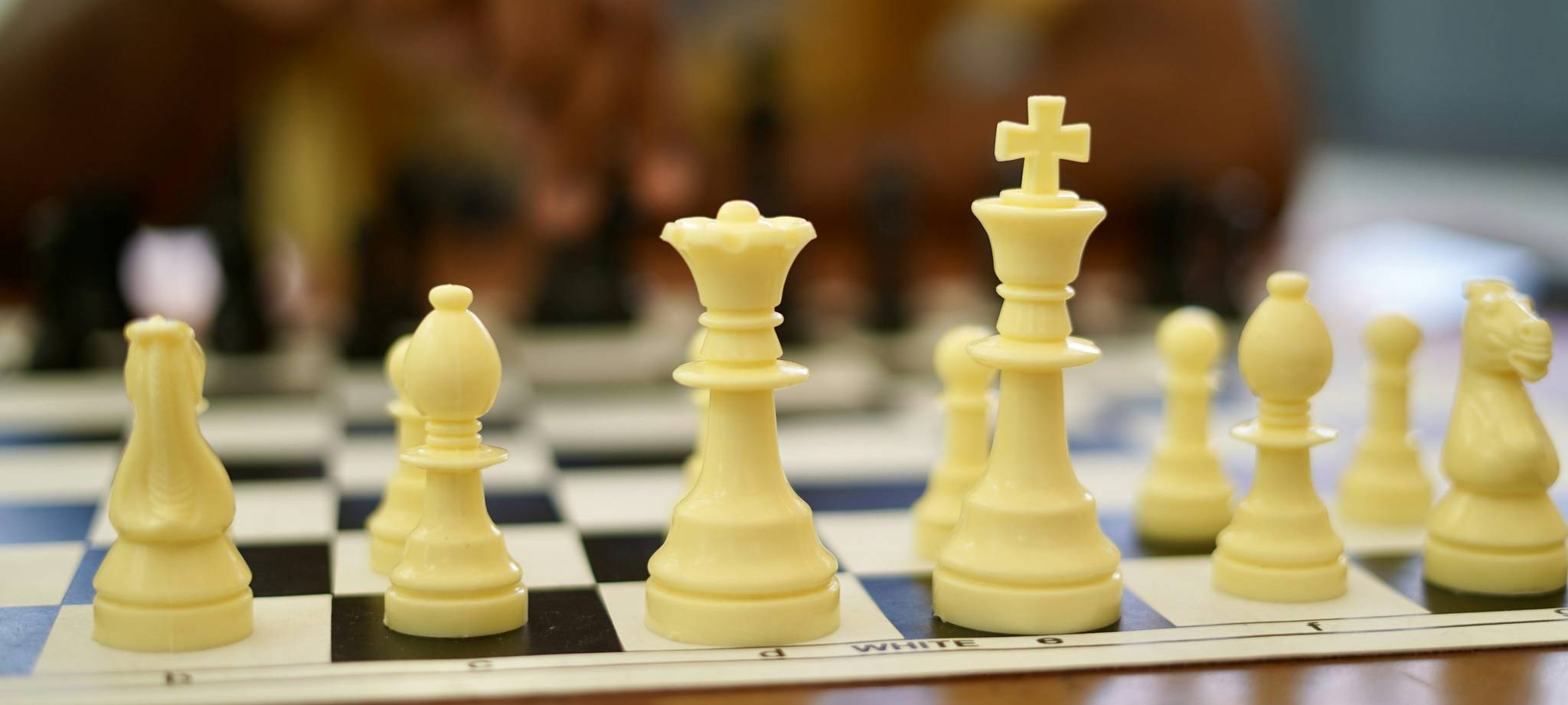
![[流言板]欧冠51年后重现:双方两回合均至少攻入3球的激烈对决](https://z-leyu.com/themes/z_leyu_com/images/20250905011006863515.jpg "[流言板]欧冠51年后重现:双方两回合均至少攻入3球的激烈对决")
To put things into perspective, let’s break down this unique scenario. In a typical Champions League knockout tie, teams face off over two legs—one home and one away—with the aggregate score determining the winner. While high-scoring games aren’t uncommon, having both teams net at least three goals in each of those matches is incredibly rare. It speaks volumes about attacking prowess, defensive vulnerabilities, and perhaps even tactical boldness on both sides. This kind of goal-fest turns matches into edge-of-your-seat spectacles, keeping fans glued until the final whistle.
Let’s rewind to 1972, when such a phenomenon last occurred in the European Cup (the precursor to today’s Champions League). Back then, offensive playstyles dominated, and defensive structures weren’t as refined as they are today. Fast forward to now, modern football often prioritizes strategy and control over reckless attacking. So, seeing history repeat itself after over five decades is not just surprising—it’s a testament to how unpredictable and dynamic the game remains. This recent tie reminds us that even in an era of tactical discipline, pure chaos can still reign supreme on the pitch.
While specifics of the teams involved in this latest feat may vary depending on reports, let’s consider how such a scenario might unfold with hypothetical powerhouses like Manchester City and Real Madrid. Imagine City hosting Madrid in the first leg, ending with a pulsating 4-3 scoreline. Then, in the return leg at the Bernabeu, another goalfest ensues with a 3-3 draw. That’s a staggering 13 goals across two games! Both sides showcasing relentless attack while exposing defensive cracks—it’s the kind of matchup that defines why the Champions League is considered the pinnacle of club football. Such games don’t just entertain; they etch themselves into the annals of history.
You might wonder why it took 51 years for this to happen again. The answer lies in the evolution of football itself. Modern coaches often emphasize structure over flair, focusing on minimizing risks rather than chasing goals at all costs. Defensive tactics have become more sophisticated, with teams prioritizing clean sheets over high-scoring thrillers. Moreover, physical demands on players mean maintaining intensity across two legs can be challenging. When both sides throw caution to the wind and deliver such explosive results as seen recently, it’s a refreshing anomaly—a nod to football’s unpredictable charm.
For fans, witnessing a tie where both legs produce at least three goals per team is like hitting the jackpot. It’s not just about numbers; it’s about raw emotion, heart-stopping moments, and non-stop action. For the Champions League as a competition, these kinds of matches reinforce its status as the ultimate showcase of elite football talent. They remind us why terms like “goal-fest” or “attacking masterclass” are synonymous with Europe’s premier tournament. As social media buzzes with highlights and debates under tags like #UCL or #ChampionsLeagueHistory, it’s clear this milestone resonates deeply with global audiences.
Could we see more of these high-octane ties in coming years? It’s hard to predict. While current trends lean toward balanced gameplay, emerging talents and evolving strategies might occasionally tip matches into chaos mode again. What’s certain is that when “both teams scoring at least three goals in each leg” happens, it captures imaginations worldwide—just as it did 51 years ago and just as it does today.
对于许多足球迷来说,瓦伦西亚俱乐部的未来充满了不确定性。最近,当地媒体报道称,在新CEO上任之前,俱乐部明星球员哈维-格拉(Javi Guerra)的合同和转会事项将保持现状。本篇文章旨在深入分析这一消息背后的含义,以及对瓦伦西亚足球俱乐部可能产生的影响。
前言:勇士四连败的背后隐藏着什么
引言:欧冠奖金榜揭晓 豪门盛宴下的遗憾叹息 欧洲足坛最高水平的赛事——欧冠联赛,不仅是球员和球迷的狂欢,更是俱乐部财政收入的重要来源。最新公布的欧冠奖金榜显示,巴黎圣日耳曼以1.38亿欧元高居榜首,7支球队收入突破亿欧元大关。然而,在这份亮眼的榜单背后,国际米兰主席张康阳却发出一声叹息,国米的表现与预期相距甚远。本文将围绕欧冠奖金这一核心主题,剖析榜单背后的故事,探讨豪门俱乐部的得失。
Copyright 2024 乐鱼体育官方网站-APP下载地址 Leyu Sports All Rights by Leyu-乐鱼体育